
Solutions for Affordable Healthcare: A Practical Guide for Those Who Can’t Afford Treatment
Key Takeaway:
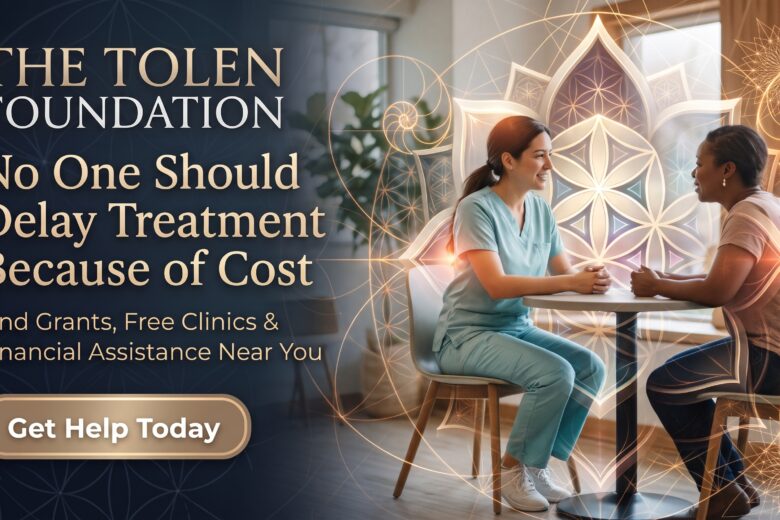
No one should have to delay or forgo medical care because of cost. Across the United States, a robust network of government programs, nonprofit foundations, and local organizations exists to help people access the treatment they need—regardless of their financial situation.
Why People Delay Care—and Why Solutions Matter
Many Americans postpone doctor visits, skip prescriptions, or avoid preventive care because they fear the cost. This can turn manageable health issues into emergencies, deepen medical debt, and threaten both health and financial stability. But help is available—from federal grants and insurance programs to local clinics and charitable organizations.
1. Federal Programs and Grants: Your First Line of Support
Medicaid & CHIP
- Medicaid: Free or low-cost health coverage for low-income adults, children, pregnant women, seniors, and people with disabilities. Eligibility and benefits vary by state.
- How to apply: medicaid.gov/eligibility
- Children’s Health Insurance Program (CHIP): Low-cost coverage for children in families earning too much for Medicaid but unable to afford private insurance.
- How to apply: insurekidsnow.gov
ACA Marketplace Subsidies
- Affordable Care Act (ACA) Subsidies: Lower the cost of health insurance premiums and out-of-pocket expenses for qualifying individuals and families.
- How to apply: healthcare.gov
Medicare Savings Programs
- Help pay Medicare premiums, deductibles, and copays for low-income seniors and people with disabilities.
- How to apply: medicare.gov/your-medicare-costs/help-paying-costs
Ryan White HIV/AIDS Program
- Comprehensive care and medication for people living with HIV who have limited income.
- How to apply: hab.hrsa.gov/about-ryan-white-hivaids-program
HRSA-Funded Community Health Centers
- Federally Qualified Health Centers (FQHCs) offer primary, dental, and behavioral health care on a sliding fee scale.
- Find a center: FindAHealthCenter.hrsa.gov
SAMHSA Mental Health & Substance Use Grants
- Community mental health centers and Certified Community Behavioral Health Clinics (CCBHCs) provide low-cost or free mental health and substance use services.
- Find services: SAMHSA Treatment Locator
2. National Nonprofit Foundations: Grants, Copay, and Treatment Assistance
| Organization/Foundation | What They Offer | Who Qualifies/How to Apply |
|---|---|---|
| HealthWell Foundation | Copay, coinsurance, deductible, premium grants | Insured, income up to 400–500% FPL, Apply here |
| PAN Foundation | Copay, coinsurance, travel grants | Insured, income up to 400–500% FPL, Apply here |
| Good Days | Copay, coinsurance assistance | Insured, diagnosis-specific, Apply here |
| CancerCare | Copay help for cancer drugs | Insured, income up to 400% FPL, Apply here |
| Leukemia & Lymphoma Society | Copays, premiums, travel for blood cancers | Insured, income up to 500% FPL, Apply here |
| American Kidney Fund | Premiums, transportation, treatment costs | Insured/uninsured, Apply here |
| Patient Advocate Foundation | Copay grants, case management, food/nutrition | Insured/uninsured, Apply here |
| NORD | Copays, premiums, travel for rare diseases | Insured, program-specific, Apply here |
| NeedyMeds | Directory of assistance programs, discount cards | All, Search here |
| Modest Needs | Emergency grants for working families | Low/moderate income, Apply here |
| Manufacturer PAPs | Free/discounted medications, copay help | Uninsured/underinsured, Find programs |
Tip: For prescription help, ask your doctor or pharmacist about manufacturer Patient Assistance Programs (PAPs) or use NeedyMeds and Medicine Assistance Tool.
3. Low-Cost and Free Treatment Options
Federally Qualified Health Centers (FQHCs) & Sliding-Scale Clinics
- Offer primary, dental, and behavioral health care to all, regardless of insurance or ability to pay.
- Find a clinic: FindAHealthCenter.hrsa.gov
Free & Charitable Clinics
- Provide free or low-cost care for uninsured and low-income patients.
- Find a clinic: NAFC Directory, FreeClinics.com
Community Mental Health Centers
- Offer counseling, psychiatric care, and crisis intervention on a sliding scale or for free.
- Find services: SAMHSA Locator
Dental Schools & Teaching Clinics
- Reduced-cost dental care provided by supervised students.
- Find a clinic: Search “dental school clinic near me” or visit the ADA website.
Prescription Discount Programs
Telehealth
- Many FQHCs and clinics offer low-cost telehealth visits for primary and mental health care.
4. State and Local Programs: Targeted Help Where You Live
State Pharmaceutical Assistance Programs (SPAPs)
- Help with prescription costs, especially for seniors and people with disabilities.
- Find your state’s program: Medicare SPAP page
State Medicaid/CHIP Expansions
- Many states have expanded eligibility for Medicaid and CHIP.
- Check eligibility: Benefits.gov
State Cancer & Chronic Disease Funds
- Programs like the New York Medicaid Cancer Treatment Program (MCTP), Alabama Breast and Cervical Cancer Early Detection Program, and CDC’s National Breast & Cervical Cancer Early Detection Program (NBCCEDP) offer free or low-cost screening and treatment.
- Find programs: CDC NBCCEDP locator
State Mental Health & Substance Use Block Grants
- Fund community mental health and substance use services for low-income or uninsured residents.
- Find services: State mental health authority or SAMHSA Locator
County Hospital Charity Care
- Public hospitals offer free or discounted care for low-income, uninsured, or underinsured residents.
- Ask at: Hospital billing office or county health department
Local Nonprofits & Charities
- United Way: Emergency medical assistance and referrals (211.org)
- Catholic Charities: Medical bill and prescription help
- Salvation Army: Medical assistance, transportation, prescription vouchers
- Jewish Federations & Community Foundations: Grants or loans for medical expenses
- Disease-Specific Nonprofits: (e.g., Susan G. Komen, American Cancer Society) offer grants and patient navigation
5. How to Find Help in Your Area
Action Steps:
- Call 2-1-1 or visit 211.org for local referrals to clinics, nonprofits, and emergency assistance.
- Use FindAHealthCenter.hrsa.gov to locate sliding-scale clinics.
- Search Benefits.gov for federal and state health programs.
- Use the SAMHSA Treatment Locator for mental health and substance use services.
- Ask hospital financial counselors about charity care and payment plans.
- Bring proof of income, residency, and identification when applying for assistance.
Summary Table: Where to Get Help
| Resource Type | How to Access/Find | Who Qualifies/Notes |
|---|---|---|
| Medicaid/CHIP | medicaid.gov, insurekidsnow.gov | Income-based, varies by state |
| ACA Subsidies | healthcare.gov | Income-based, all states |
| FQHCs/Sliding-Scale Clinics | FindAHealthCenter.hrsa.gov | All, sliding scale |
| Free Clinics | NAFC Directory, FreeClinics.com | Uninsured/low-income |
| Mental Health Centers | SAMHSA Locator | All, sliding scale/free |
| Prescription Help | NeedyMeds, GoodRx | All, some income limits |
| National Foundations | See above table | Disease-specific, income/insurance requirements |
| State/Local Programs | Benefits.gov, 2-1-1 | Varies by state, diagnosis, income |
| Hospital Charity Care | Hospital billing office | Income-based, uninsured/underinsured |
Conclusion: Empowerment Through Information
Key Finding:
Affordable healthcare is within reach—even for those facing financial hardship. By connecting with the right programs, clinics, and organizations, you can access the care you need without sacrificing your financial security.
Don’t wait to seek help. Use the resources above, reach out to local organizations, and ask providers about financial assistance. Healthcare is a right—not a privilege reserved for those who can afford it. With the right support, you can get the treatment you need and deserve.Lorem ipsum dolor sit amet, consectetur adipiscing elit. Ut elit tellus, luctus nec ullamcorper mattis, pulvinar dapibus leo.
assistance programs financial assistance government grant Medicaid nonprofit medical grants rehab
Last modified: October 23, 2026